You dream of a swimming pool in your garden, but you are hesitating between ashell pool and a concrete pool? Don't panic, you are not alone in this dilemma.
Choosing the righttype of poolcan seem complex, as each option has advantages and disadvantages that vary depending on your needs, budget, and land characteristics. Whether you are drawn to aone-piece pool, quick to install and maintain, or anin-ground concrete pool, more customizable and durable, it is essential to fully understand the differences between these two solutions before you begin.
Together, let's review the essential criteria to help you choose thepool modelthat will make your outdoor space a true paradise!
The shell pool: quick installation and controlled budget
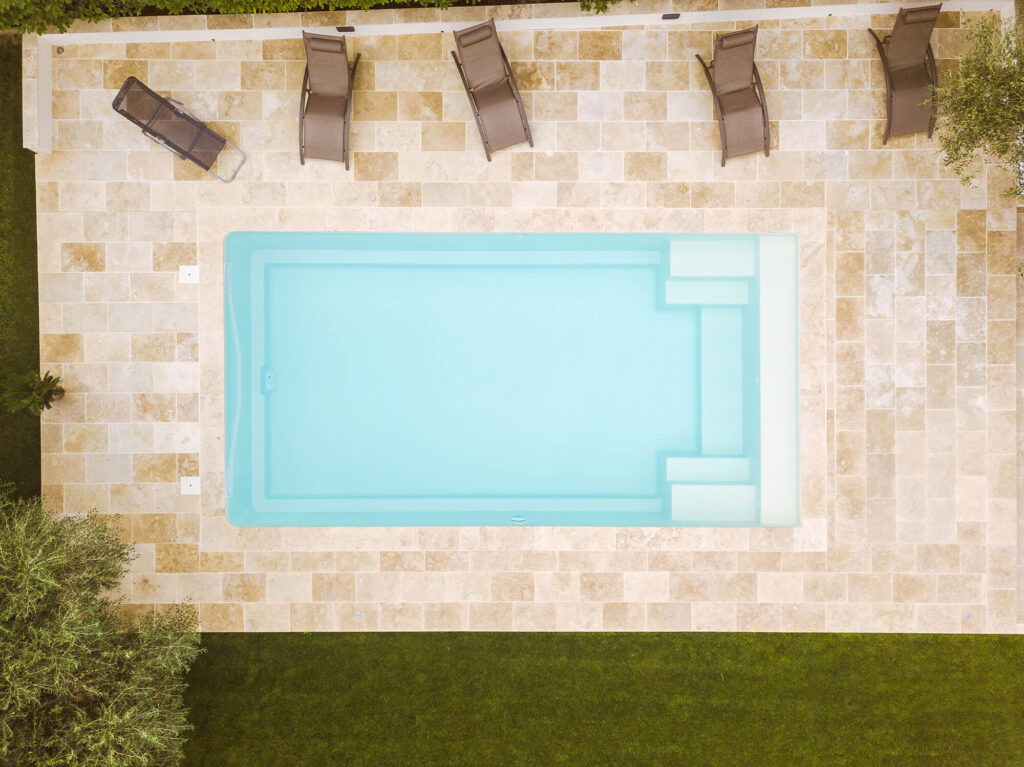
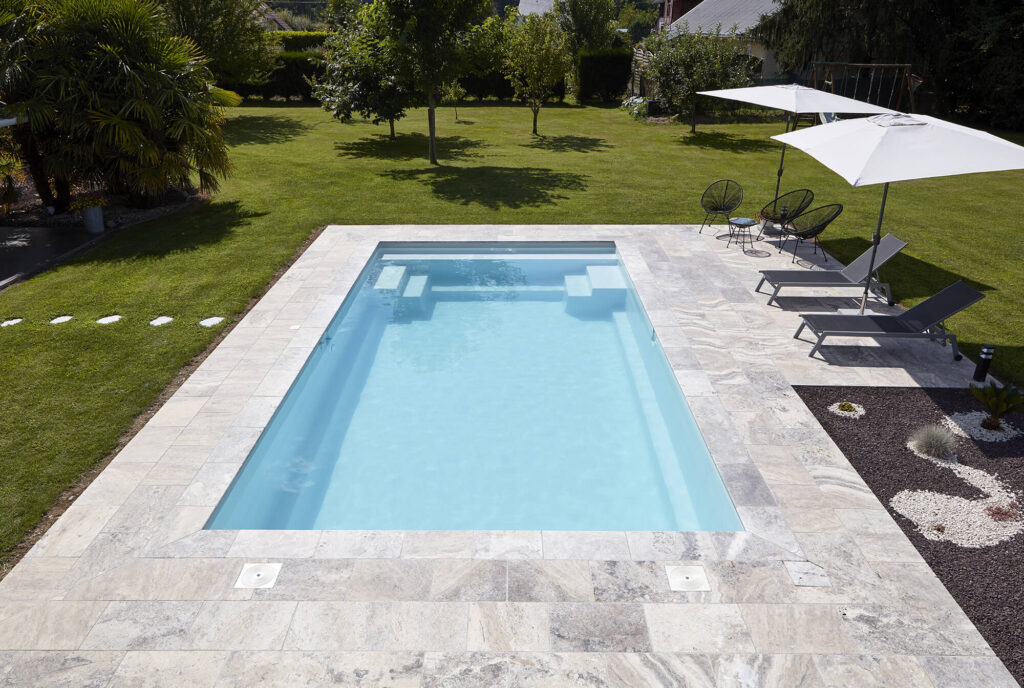
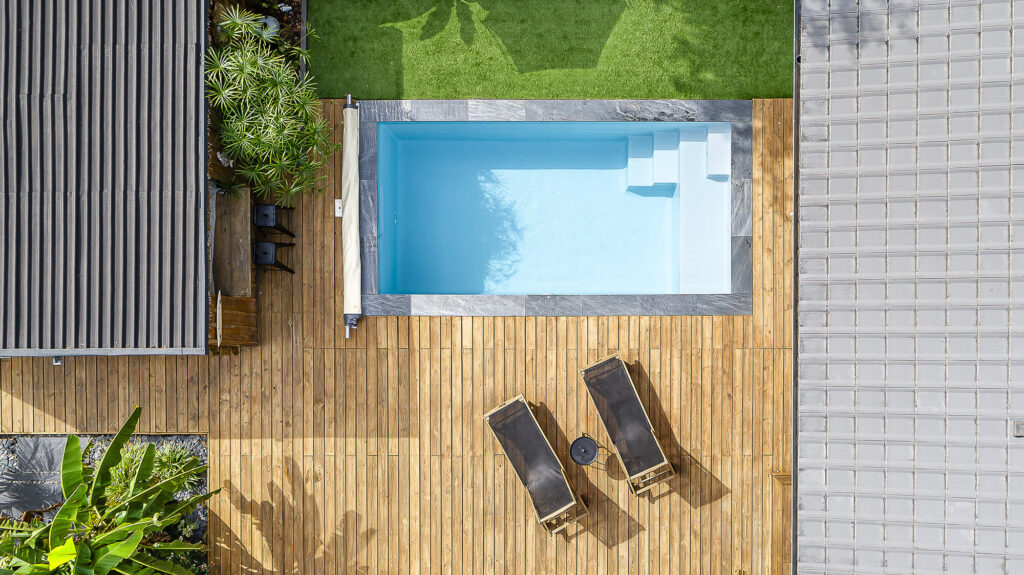
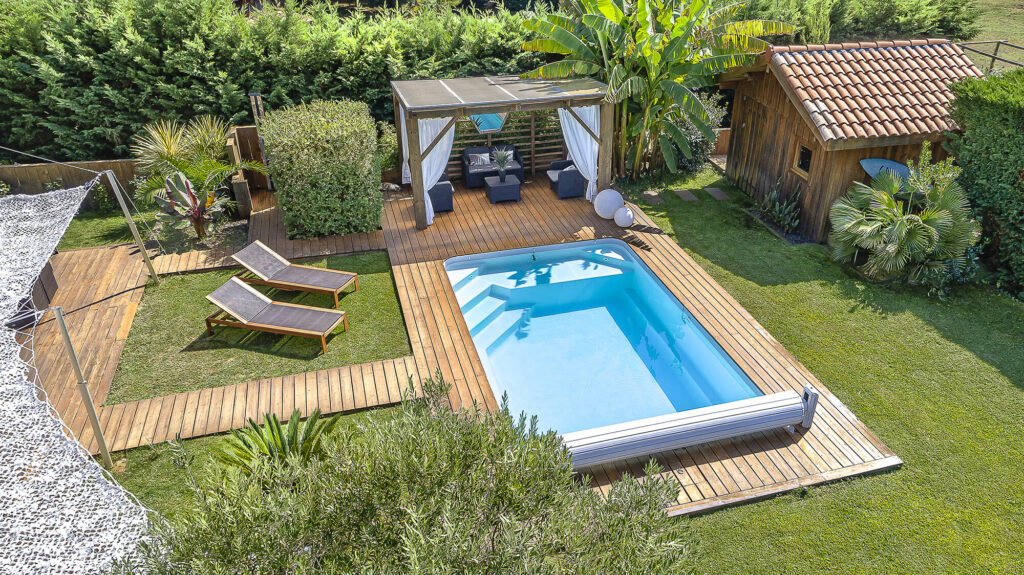
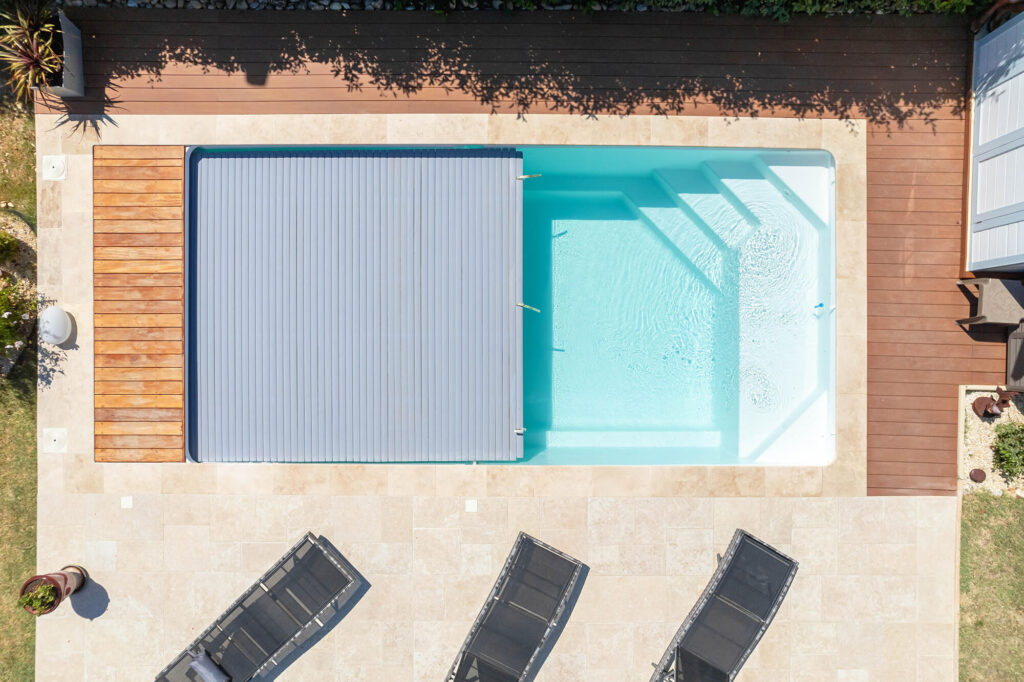
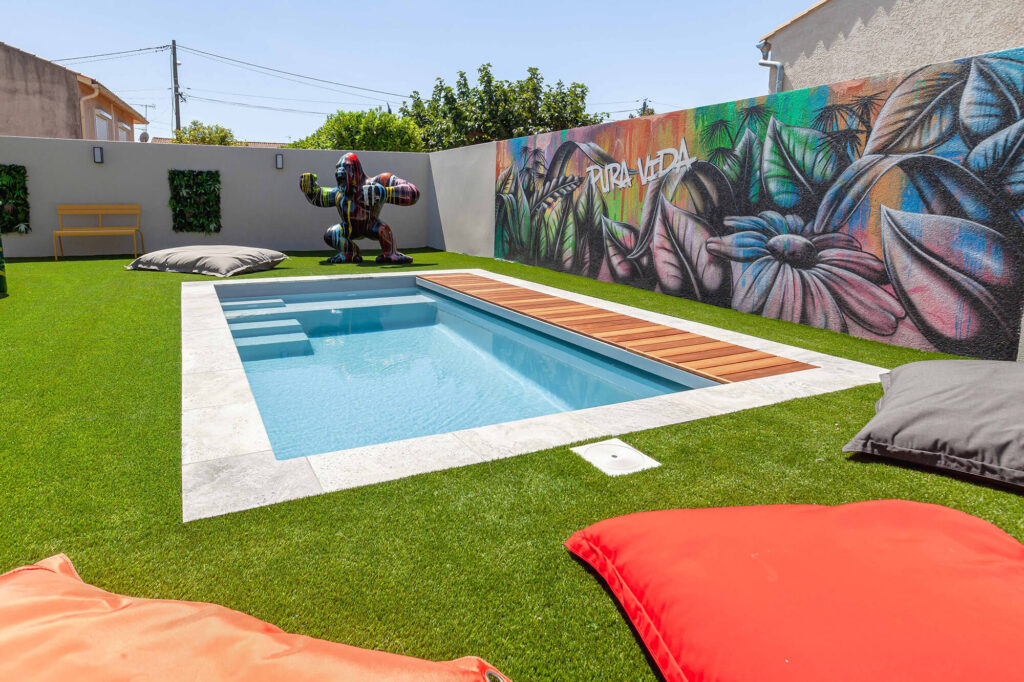
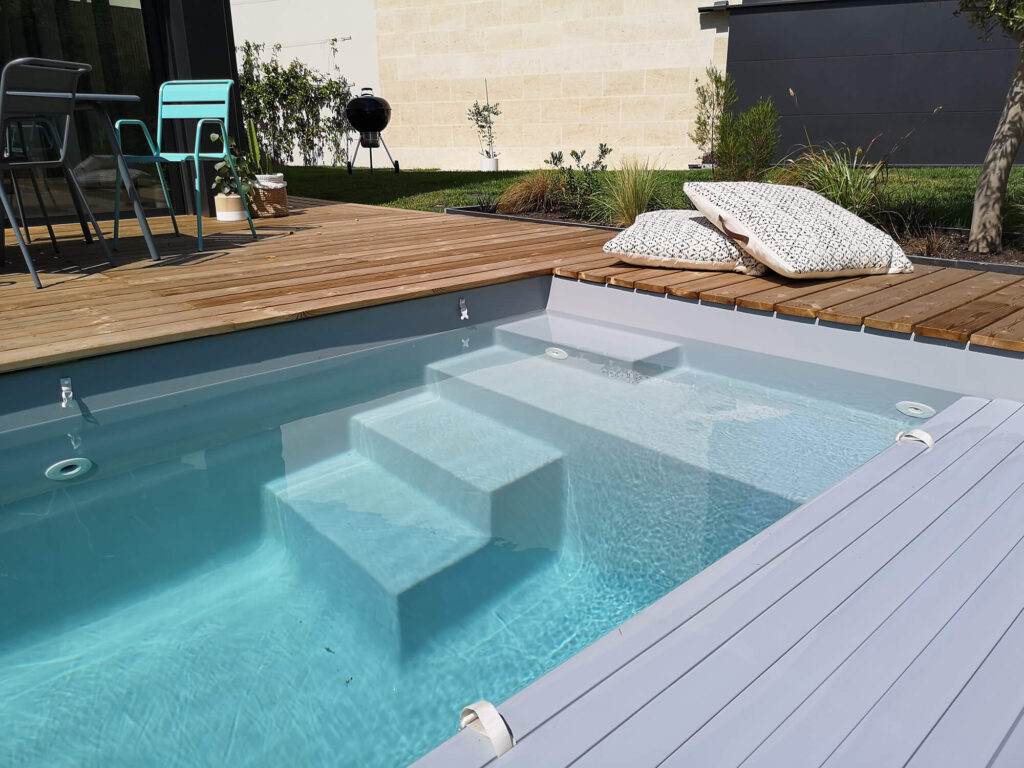
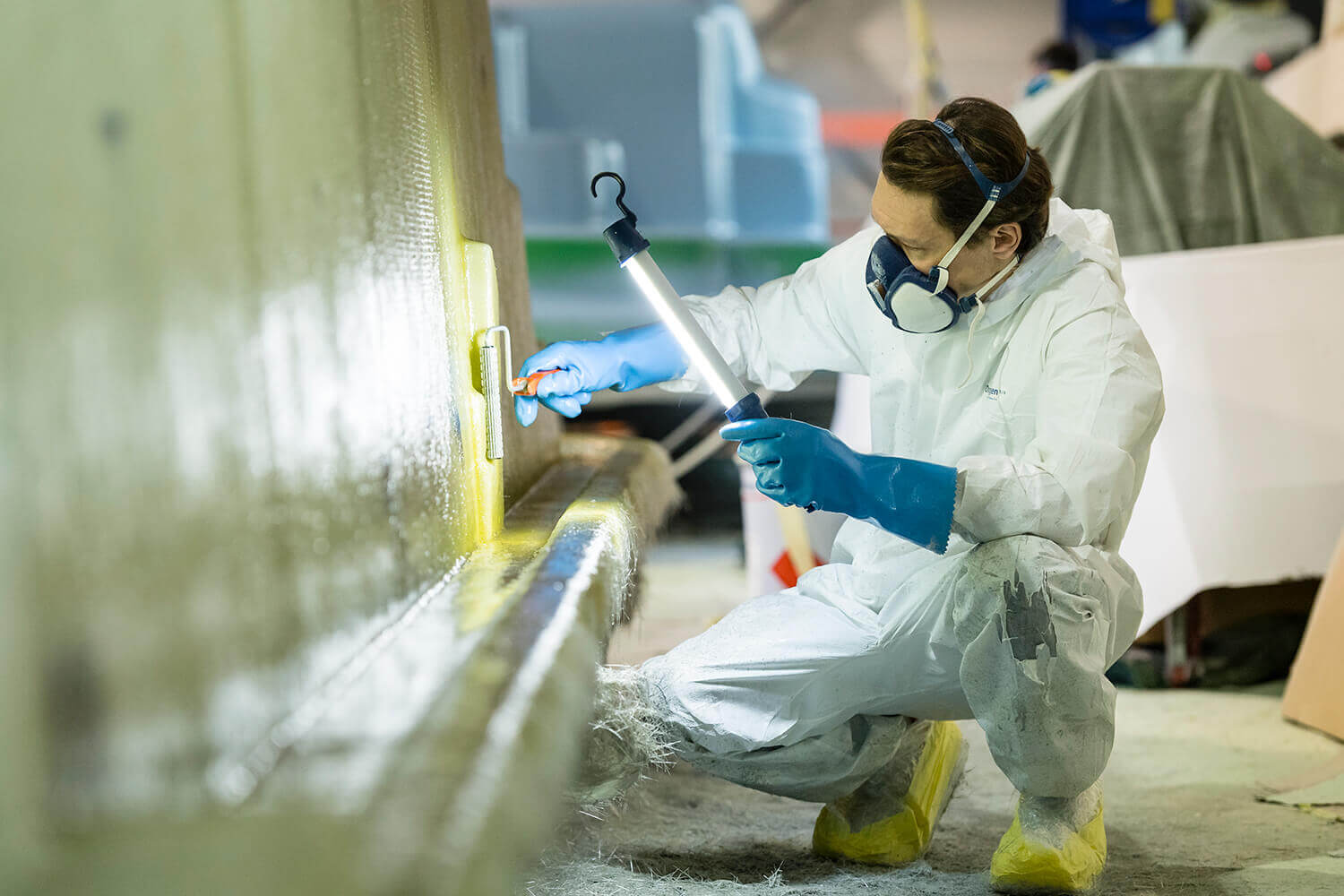
Ashell poolis a prefabricated pool, generally made of fiberglass orpolyester. It is distinguished by itsmonobloc structure, meaning it is manufactured in one piece and delivered directly to the installation site.
This solution is highly appreciated for its ease of installation, which significantly reduces construction time.
The advantages of the shell pool
The mainadvantage of a shell pool lies in its speed of installation. Once the earthworks are completed,the installation of the pooltakes only a few days. This speed minimizes the impact on your garden and allows you to enjoy your new swimming area more quickly.
But the speed of installation is not the only advantage of the shell pools: and for good reason, the price of this type of pool is generally more affordable than that of a concrete pool. Depending on the pool models chosen, the cost of a fiberglass pool, including installation, generally varies between €10,000 and €20,000. This price is particularly attractive for those looking for an economical solution without sacrificing quality!
Another significant advantage of theshell poolis its ease of maintenance. Thanks to its smooth surface and flat bottom, algae and debris have fewer surfaces to cling to, reducing daily maintenance efforts. The fiberglass or polyester that makes up the pool's structure is also naturally resistant to moisture and chemicals, making it easy to maintain.
The disadvantages of the shell pool
Although robust, theshell poolis not as resistant as a concrete pool to extreme conditions. If you live in an area prone to significant temperature fluctuations, strong winds, or repeated frost episodes, thestructure of the shell poolcould be put to the test. Stresses caused by ground movement or temperature variations can, in the long term, cause cracks or deformations, although this remains relatively rare with good quality models.
Finally, althoughinstalling a shell poolis quick, it requires specific transport and handling. Thedelivery process of the shell, which is done in one piece, can be complex and restrictive. Difficult access to the site or obstacles such as trees or overhead power cables can complicate this step. These logistical challenges must be taken into account before embarking on such a project.
The concrete swimming pool: unmatched durability and tailor-made customization
Aconcrete poolis a custom-built pool, generally made ofshotcrete(gunite) orpoured concrete. This type of pool is built directly on your land, allowing for complete customization in terms of shape and dimensions. It is often favored for its longevity and robustness.
The advantages of concrete swimming pools
One of the biggest advantages of aconcrete poolis itsexceptional durability. With a robust pool structure, this type of pool can last for several decades. Due to thestrength of concrete, it is capable of withstanding bad weather and climate changes without fear of cracks or deformations. This longevity makes it a profitable long-term investment, especially if you plan to stay in the same house for many years.
Another advantage ofconcrete pools: their customization possibilities. You can choose the shape, dimensions, and finishes of your pool according to your tastes and the constraints of your land. Whether you opt for a rectangular pool, an L-shaped pool, or a free-form design pool, concrete allows you to create a unique pool, perfectly suited to your needs.
The disadvantages of concrete swimming pools
However, theconcrete poolhas some disadvantages. First of all, theprice of an in-ground concrete poolis much higher than that of a shell pool. The total cost of a concrete pool can range from €15,000 to €40,000, or even more, depending on the size and complexity of the pool. This price includes not only the concrete and materials, but also the labor time required for its construction, which can extend over several months.
Furthermore,installing a concrete poolis a longer and more complex process. The construction requires several steps: excavation, reinforcement placement, concrete pouring, drying, and finally, the installation of the lining. This construction site can disrupt your garden for several weeks, which can be a drawback for those who want a quick project.
Maintenance can also be more of a hassle, as concrete surfacing can deteriorate over time and require repairs.
Which swimming pool to choose: shell or concrete?
1. Consider the budget
One of the first criteria for choosing between ashell pool or concrete pool is the price.
If you are looking for an economical and quick solution, theshell poolis undoubtedly the most suitable option. Its cost is lower and its installation is much faster.
On the other hand, if you are willing to invest more for acustom and durable pool, aconcrete poolis an excellent long-term choice.
2. Find out about the duration of the work and the installation time
Installation time is also a key factor in your decision.
Do you want to enjoy youringround poolas soon as possible? Theshell poolis the ideal solution. In just a few days, your pool is installed and ready to use. Conversely, theconcrete poolrequires several months of construction, due to the multiple steps involved in its installation.
3. Consider sustainability based on location
Are you wondering how long a shell pool lasts versus a concrete pool? As a general rule, a shell pool lasts 15 years, while a concrete pool can last at least 30 years. And with good reason.t's robust structure enables it to withstand many years of use and the harshest weather conditions. It also offers greater resistance to bad weather, making it an ideal choice for regions with extreme climatic conditions.
The shell pools, although durable, does not achieve the same level of resistance.
4. Assess your customization needs
If customization is a key criterion for you, a concrete pool will probably be more suitable. You can design a customized pool according to your preferences in terms of shape, dimensions and finishes.
Theshell pool, on the other hand, offers fewer customization options, with standard models, such as themini-poolor the8x4 shell pool.
5. Don’t forget the building permit
Another element to consider is the obligation to obtain abuilding permit. If you opt for an in-ground concrete pool, it is often necessary to apply for one, especially if the pool exceeds a certain size. On the other hand,shell pools, when they are less than 10m2, are not subject to complex administrative procedures.
You will have understood;choosing a shell or concrete pooldepends above all on your priorities. If you prioritize a controlled budget, quick installation, and an easy-to-maintain solution, theshell poolis probably the best choice. On the other hand, if you are looking for a custom-made, durable pool capable of withstanding the weather, theconcrete poolwill be a wise long-term investment.
Whatever your choice, it is essential to consider your needs, your land, and your constraints to succeed in yourpool project.
Configure your pool online Back to all news