Pump, heating, lighting: the real electricity budget of a swimming pool
Written by:
Modified on:
Reading time:
Article outline
- Does a swimming pool really consume a lot of electricity?
- What equipment consumes the most in a swimming pool?
- How long should the filter pump run?
- Heating your pool: what is the real impact on the bill?
- How to reduce your pool's electricity consumption?
- How Aboral Piscines designs shell pools designed to control consumption
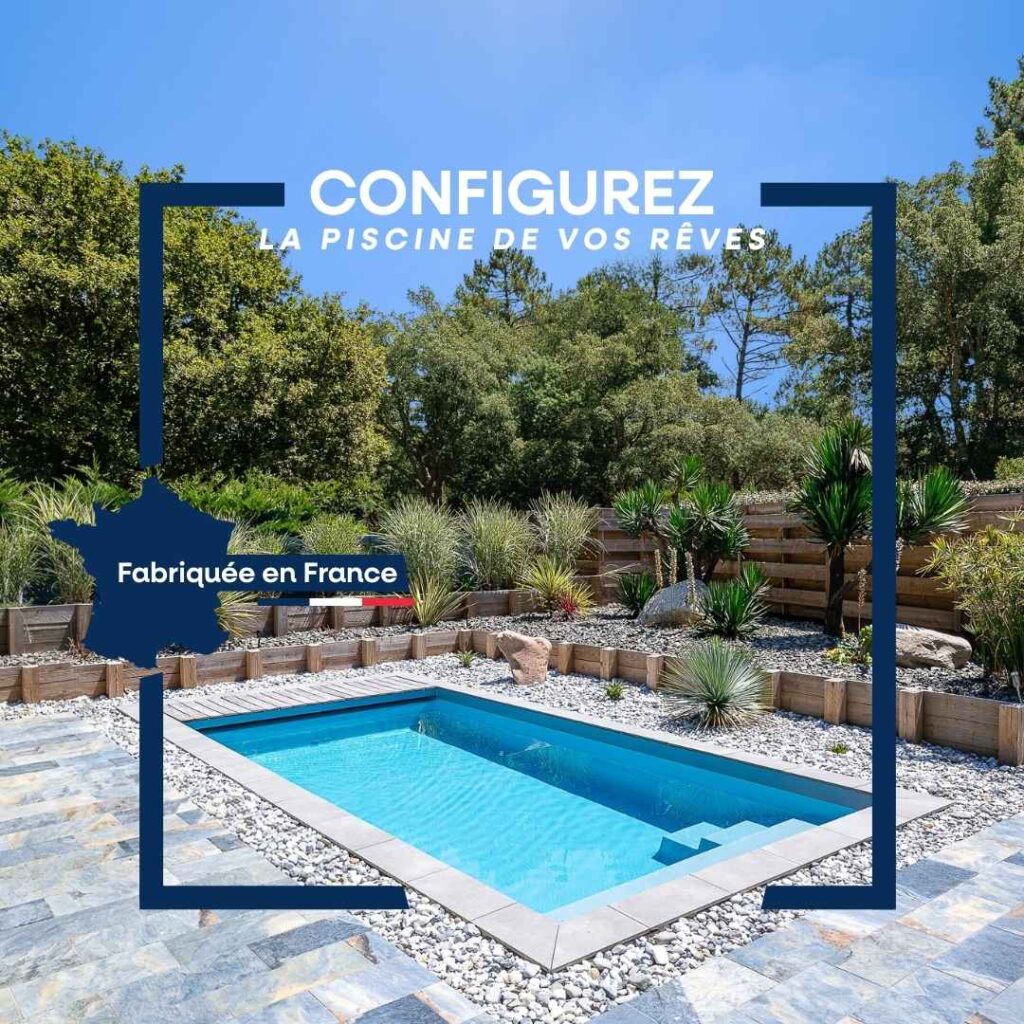
Pump, heating, lighting, … the cost of electricity for pool maintenance can quickly add up if you don't pay attention to certain optimization levers to save money. Spoiler: water temperature is an important adjustment variable for reducing a pool's electricity consumption.
In fact, the electrical consumption of a swimming pool that is not heated remains a limited expense: it is the filtration pump, which runs almost all year round, that dominates the bill, not the pool itself. The real budget difference appears as soon as a heating system comes into play and it varies greatly depending on the technology chosen.
For an owner who is preparing or already has a shell pool, misjudging this item can throw off the entire annual project budget. Here we will detail, item by item, what truly consumes resources: filtration, heating, lighting, and concrete ways to reduce your shell pool's maintenance bill without sacrificing swimming comfort.
In summary:
- An unheated swimming pool consumes energy mainly through its filtration pump, for an annual budget of around €300 to €500.
- Heating remains the real variable cost: a heat pump multiplies the bill by 2 or even 4, a direct electric resistance heater by up to 8.
- Adjusting the filtration time to the water temperature and properly insulating the pool remain the most effective levers for saving money.
Does a swimming pool really consume a lot of electricity?
No, not if it is not heated. The electricity consumption of a standard swimming poolof 8x4 m comes mainly from its filtration pump, for an annual budget of around €300 to €500 at the regulated tariff 2026 (approximately €0.20/kWh in Base 6 kVA option)(1).
This corresponds to an annual consumption of 1,500 to 2,500 kWh, solely related to the pump's operation. This is an order of magnitude comparable to that of a large appliance used continuously, not to that of an additional dwelling, contrary to a common misconception.
The situation changes as soon as a heating system is installed. Depending on the technology chosen, the total annual budget can range from €500 to over €1,500. Therefore, it is less the pool itself than the choice of heating that determines the size of the annual electricity bill.
Before considering the price of a shell pool, it is useful to distinguish between these two realities: the incompressible operating cost of filtration and the optional, but potentially high, cost of thermal comfort.
Rule to remember: an unheated pool has little impact on the bill; it's the heating that can triple the budget.
What equipment consumes the most in a swimming pool?
The filter pump is by far the largest electricity consumer in an unheated swimming pool. It runs almost all year round, unlike other equipment that is only used occasionally.
Next comes, once installed, the heat pump: its use is seasonal, generally from May to September, but its consumption can far exceed that of the filtration system depending on the size of the pool and the desired heating duration. The cleaning robot and lighting, on the other hand, remain marginal items that consume little electricity, as indicated below.
| Equipment | Operation | Annual consumption | Share of the invoice* |
| Filtration pump | Almost all year round | 1,500 to 2,500 kWh | 25 to 50% |
| Heat pump | May to September | 1,500 to 6,000 kWh | 20 to 35% |
| Cleaning robot | A few hours/week | 50 to 150 kWh | Less than 5% |
| LED lighting | 3 to 4 hours/day in season | 60 to 100 kWh | Less than 3% |
*On a heated pool. On an unheated pool, the filtration pump accounts for the bulk of the bill.
The filtration pump, which runs almost all year round, thus weighs more than the pool heating itself on an unheated pool: it is the first item to monitor, even before considering a filtration system that is oversized compared to the actual water volume.
Proper calibration of a heat pump also prevents unnecessary overconsumption: an improperly sized unit will cycle on and off more frequently, directly impacting the bill.
How long should the filter pump run?
The filtration time follows a simple rule: divide your pool's water temperature by two to get the recommended number of hours per day.
Specifically, at 28°C in the middle of summer, count about 14 hours per day. At 20°C, at the beginning or end of the season, 10 hours are enough. During active hibernation, 2 to 3 hours per day are sufficient, during the hottest hours. During passive hibernation, filtration is stopped and the circuit is drained.
Many owners leave their pump running continuously as a precaution, which increases consumption without any real benefit to water quality. A timer, coupled with a variable-speed pump, allows for automatic adjustment of duration and flow rate according to the season. When properly adjusted, a variable-speed pump can achieve savings of 30 to 50% on this item compared to a continuously used fixed-speed pump.
The right reflex is therefore to recalculate the filtration time with each change of season, rather than keeping a fixed setting all year round.
Rule of thumb: filtration time (hours) = water temperature (°C) ÷ 2, with a winter minimum for pond safety.
Heating your pool: what is the real impact on the bill?
As we explained, heating your pool can multiply the annual bill by 2 to 8, depending on the heating system chosen. This is the main lever for varying a pool's electricity budget.
The heat pump remains the most economical solution in use. Thanks to its coefficient of performance (COP), it delivers an average of 4 to 6 kWh of heat for 1 kWh of electricity consumed. A direct electric heater, on the other hand, has a 1-to-1 efficiency: it consumes significantly more for a comparable thermal result.
| System | Annual consumption | Estimated annual cost* | Yield |
| Inverter heat pump | 2,500 to 4,000 kWh | €500 to €800 | COP 4 to 6 |
| Electric heater | 5,000 to 9,000 kWh | €1,000 to €1,800 | COP 1 |
| Heat exchanger (home boiler) | Variable depending on the energy of the dwelling | depends on the existing contract | Depends on the boiler |
*At the regulated tariff, approximately €0.20/kWh including tax in Base 6 kVA option (2026) (1)
A heat pump thus costs 3 to 5 times less to run than a direct electric heater, for an equivalent thermal result.
The solar heating is a complementary alternative, with no direct electricity consumption, but its effectiveness depends heavily on the pool's sun exposure. To decide according to your budget, consult our comparison of the most economical system for heating a swimming pool.
How to reduce your pool's electricity consumption?
To reduce electricity consumption for a swimming pool without sacrificing swimming comfort: limit heat loss, automate filtration, and design the pool properly from the start, here are some useful tips:
- The bubble cover: it reduces thermal losses due to evaporation by about 50%, which almost halves the heating requirement over the season.
- The submerged roller shutter: in addition to securing the pool, it limits nocturnal heat loss and protects the water from dirt, indirectly reducing filtration needs.
- The programmer and the variable-speed pump: they automatically adjust the filtration duration to the water temperature, avoiding unnecessary operating hours.
- Off-peak filtration: it does not reduce kWh consumption, but it reduces the bill if the electricity contract allows it. A simple lever to activate via the programmer.
- The well-maintained filter: a clogged filter forces the pump to work harder to maintain flow, increasing its consumption without it being detectable. Regular maintenance and cleaning of the filter avoids this invisible overconsumption.
Investing in a bubble cover remains one of the most profitable actions: its purchase cost is quickly offset by heating savings. The slatted cover goes further by combining safety, thermal insulation, and easier maintenance.
Rule to remember: a well-covered and well-programmed pool consumes significantly less than an identical pool left uncovered and continuously filtered.
How Aboral Piscines designs shell pools designed to control consumption
Mastering the electrical consumption of a shell swimming pool begins at the design stage of the pool, well before choosing the equipment. The volume of water in your pool to be filtered and heated depends directly on the shape and depth chosen: an oversized pool relative to its actual use mechanically leads to a more powerful pump and a more heavily used heater.
At Aboral, we offer shell pools with a flat bottom, which limit the water volume compared to a traditional sloped bottom, while maintaining a uniform water depth across the entire surface. The integrated shutter housing is designed during manufacturing to be seamlessly incorporated without additional technical cost once the pool is installed, making it easier to fit a shutter from the project's outset rather than as an add-on feature.
Our online pool configurator includes an initial consumption estimate based on the dimensions and equipment chosen, even before meeting with an advisor. This estimate remains indicative: it is then refined with a pool professional from our network, who takes into account your region, your exposure, and your actual usage.
This issue is not resolved with an add-on accessory, but by decisions made at the right time in the project: pond sizing, heating choice, and cover integration.
Our advisors are there to discuss it with you, position by position, even before signing the quote.
(1) The kWh amounts are given for information only and should be verified with your energy provider
Share this article

You may be asking yourself these questions?
Yes, but moderately if it is not heated: count about €300 to €500 per year for the filtration pump alone. It is mainly the addition of a heating system that significantly increases the bill, not the pool itself.
Between 1,500 and 2,500 kWh per year, depending on its power and daily filtration duration. A well-sized pump, programmed according to water temperature, is generally at the lower end of this range.
No, compared to a direct electric heater. Thanks to its coefficient of performance, it delivers 4 to 6 kWh of heat for 1 kWh consumed, for an estimated annual cost of between €500 and €800 (1) depending on the size of the pool.
No, the duration must follow the water temperature: divide it by two to get the recommended filtration hours. In active wintering, 2 to 3 hours per day are sufficient. In passive wintering, filtration is stopped.
Yes, a bubble cover reduces heat loss by evaporation by about 50%, which almost halves the heating requirement over the entire swimming season.
Yes, an in-ground swimming pool leads to an increase in the cadastral rental value of the property, and therefore a rise in property tax. Approximately €0.20 including tax at the regulated rate, with the 6 kVA Base option (1). This amount serves as a reference for estimating the annual cost of filtration and heating, but it varies depending on the supplier subscribed to.
On the same topic
Your fiberglass pool project is waiting for you!
Configure your shell pool in just a few clicks or find your nearest Aboral distributor for personalized support from start to finish.