Why does my hair turn green at the pool?
Written by:
Modified on:
Reading time:
Article outline
- Definition of copper sulfates
- Why does hair turn green?
- Who is affected by green hair?
- Safety precautions before swimming
- After-swim care
- Home remedies for removing green tints
- When to see a professional
- Special precautions for blonde hair
- The Role of Pool Water Treatment
- Best Practices for Pool Owners
Do you notice green hair after swimming? Find out why this happens and how to prevent it. This article is for anyone who wantsto understand and prevent green hair after swimming, especially those with blonde or highlighted hair. It’s important to address this issue because green tones can affect the beauty and health of your hair, cause frustration, and require special care to restore a vibrant color.
In summary:
- Green hair after swimming is mainly caused by a chemical reaction between chlorine, the copper sulfates present in the water, and the hair shaft, particularly in blonde or bleached hair, which is more fragile and porous.
- To prevent green tonesfrom appearing, it is recommended that you wet your hair before swimming, apply a water-resistant protective treatment, wear a silicone swim cap, and then rinse and wash your hair with a suitable shampoo after swimming.
- If your hair remains green, there are several natural remedies you can try, such asaspirin, baking soda, vitamin C, or tomato paste; however, it is advisable to consult a specialized hairdresser for professional treatments.
Definition of copper sulfates
Copper sulfates are chemicals used in swimming pools to control algae, but they can also cause green tints in hair. Their presence in the water is intended to prevent algae growth, but these substances react with the hair shaft, causing discoloration andthe appearance of a greenish tint—a common problem after swimming.
Why does hair turn green?
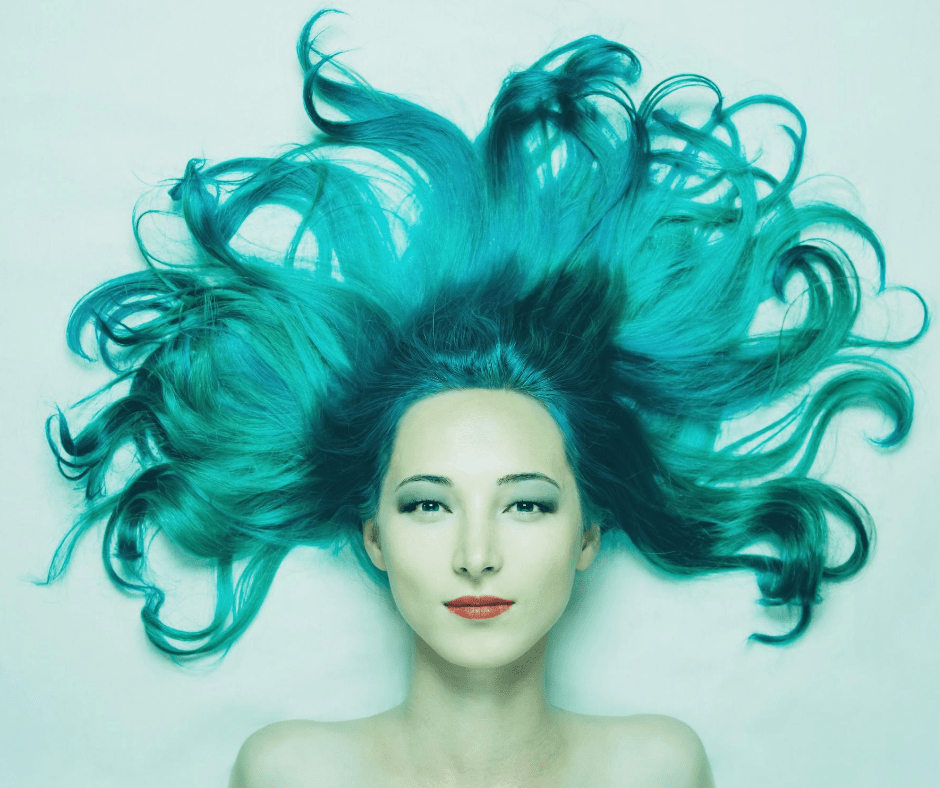
The phenomenon of green hair after swimming is caused by a chemical reaction between certain substances inthe water and the hair shaft. The main culprits are chlorine and copper ions, which come primarily from the copper sulfates used to control algae in swimming pools. When these substances come into contact with the hair, they can attach themselves to the hair shaft—especially if it is porous or damaged—and cause a change in color, resulting in green highlights.
Blonde, highlighted, or bleached hair is particularly vulnerable to external stressors, especially when exposed to chlorine and copper ions in water. This vulnerability to UV rays, salt, and chlorine becomes more pronounced during the summer. Exposure to seawater, which is rich in salt, accelerates the drying out and crystallization of the hair shaft, causing the hair to look dull, especially in blond hair.
Chlorine, used to disinfect pool water, has a dehydrating and weakening effect on the hair shaft, leading to a loss of shine, dryness, and increased fragility. Copper ions, often present in pool water due to anti-algae treatments or equipment corrosion, react upon direct contact with the hair, causing metals to bind to the hair shaft and resultingin a greenish tint.
In short, the hair’s porosity, combined with the lack of a protective barrier and repeated exposure to pool water, promotes the absorption of the chemicals responsible for green tones. Blonde hair is therefore more vulnerable and requires special care, including moisturizing, nourishing, and anti-yellowing treatments, to preserve its health and color after exposure to the ocean or a swimming pool.
Who is affected by green hair?
All hair types can be affected, but blonde and highlighted hair is more likely to turn green due to its more fragile structure and lower pigment content. This fragility makes it more susceptible to oxidation caused by certain chemicals found in pool water.
Safety precautions before swimming
To minimizethe occurrence of green hair, it is essential to take preventive measures before swimming:
- Wet your hair with plain water: this creates a barrier that reduces the amount of chlorine absorbed by the hair shaft.
- Apply a water-repellent protective treatment (leave-in conditioner, hair mask, or light plant-based oil) to strengthen this barrier.
- Wear a silicone swim cap—it’s the best way to prevent direct contact with chlorinated water.
- Protect your hair from UV rays and the sun during outdoor activities.
After-swim care
After swimming, it’s essential to follow a proper routine to maintain the health and color of your hair:
- Rinse your hair immediately with clean water to remove any chlorine residue.
- Wash your hair with a gentle, specialized shampoo, a sulfate-free shampoo, or a shampoo designed for swimmers, which help remove chemical buildup.
- Apply a nourishing treatment or a restorative mask to restore the hair shaft.
- Don't forget to moisturize your skin with a suitable moisturizer after swimming.
These simple steps help prevent green tones fromappearing and keep your hair looking beautiful.
Home remedies for removing green tints
If green tints persist despite these precautions, there are several effective natural remedies:
- Aspirin: Crush an effervescent tablet, mix it with water, apply it to your hair for 10–15 minutes, then rinse.
- Aspirin-lemon mixture: aspirin, lemon juice, and water; applied in the same way.
- Vitamin C crystals: Mix with water, apply to wet hair, leave on for a few minutes, then rinse.
- Baking soda: Mix with water, apply for 5–10 minutes, then rinse.
- Tomato paste: Apply to washed, damp hair, leave on for 30 minutes, then rinse.
It is recommended that you test these treatments on a small strand of hair before applying them to the entire head.
When to see a professional
If the green tint persists despite these treatments, it is recommended that you consult a professional hairstylist. They can offer detoxifying treatments or specialized care to remove copper and chlorine residues embedded in the hair shaft, and recommend suitable products to maintain the results at home.
Special precautions for blonde hair
Blonde hair, which is particularly fragile, requires extra moisture to close the hair cuticles and limit the penetration of chemicals. It’s also advisable to avoid bleaching your hair right before a trip to the pool, as this increases fragility and the risk of green tones.
The Role of Pool Water Treatment
The presence of metals, particularly copper sulfates, in pool water is common as a means of controlling algae, but it can cause hair discoloration. It is important to regularly check the copper levels in your pool and adjust the treatments accordingly.
Best Practices for Pool Owners
To minimizethe growth of green algae, keep the water balanced and clean using an effective filtration system. Inform users about the importance of regular water testing and encourage the use of treatments that are gentle on the hair.
To prevent your hair from turning green after swimming, follow these simple steps:
- Wet your hair before swimming.
- Apply a protective product.
- Wear a silicone swim cap.
- Rinse and wash your hair with a suitable shampoo after swimming.
- Nourish your hair with a restorative treatment.
If you have green tones in your hair, natural remedies and professional treatments are effective ways to restore your natural color.
Share this article

You may be asking yourself these questions?
The main difference lies in the composition of the water. Pool water contains chlorine and often copper sulfates used as algaecides, which react with the keratin in hair—especially blonde or bleached hair—causing a greenish tint. Seawater, although salty and harsh, does not contain these specific chemicals responsible for greenish tints.
No, the material of the swim cap is key. Silicone caps provide a better seal and limit chlorine exposure to the hair, unlike fabric caps, which let more water through and offer only partial protection.
In general, it is recommended to leave these treatments on for 10 to 30 minutes, depending on the method used. For example, a mixture of effervescent aspirin and water or lemon juice should be left on for about 10 to 15 minutes, while tomato paste may need to be left on for up to 30 minutes.
Regular shampoos aren't always effective at removing copper and chlorine buildup. It's recommended to use a clarifying shampoo or one specifically formulated for swimmers, which helps detoxify the hair shaft and restore its natural color.
After swimming, it’s important to apply a nourishing treatment, a reparative mask, or a lightweight hair oil to moisturize and strengthen the hair shaft. Specialized anti-green or repigmenting treatments can also be used to neutralize unwanted tones and protect the color of blonde or highlighted hair.
On the same topic
Your fiberglass pool project is waiting for you!
Configure your shell pool in just a few clicks or find your nearest Aboral distributor for personalized support from start to finish.